

A BETTER KIND OF DHEA CREAM
YOU LOOK YOUR BEST WHEN YOU FEEL YOUR BEST
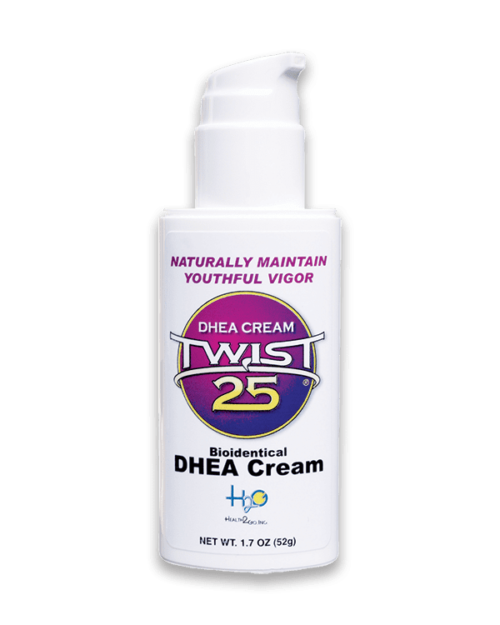
Twist 25 DHEA cream is bioidentical DHEA cream in a specially formulated coconut oil cream with numerous health benefits.
No dangerous side effects.

TWIST 25 IS DHEA THE RIGHT WAY
Twist 25 is beneficial in many ways for people 35 and up. Twist 25 cream is laboratory tested and has no dangerous side effects.
- Maintain healthy hormones
- Toned fit and trim
- Anti-aging skin care
- Healthy hair, skin & nails
- Sleep well at night
- Heart health
- Mental Sharpness
- Strong immune system
- More energy
- Bone strength
ADD TWIST 25 TO YOUR DAILY ROUTINE
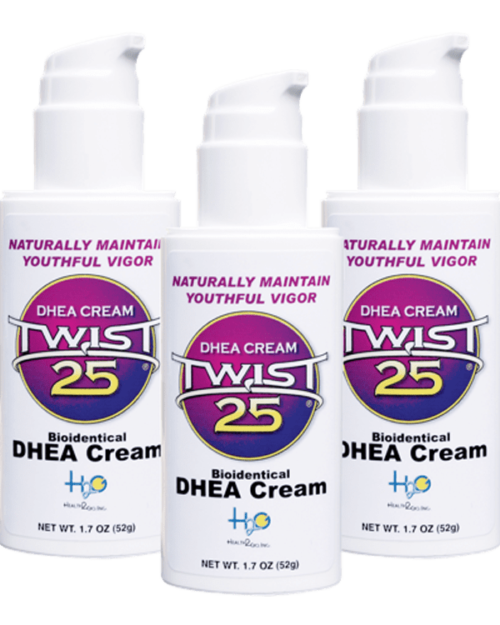
ANTI-AGING COMBO PACK
Three Powerful Anti-Aging Supplements
- Twist 25 DHEA Cream
The best anti-aging cream made
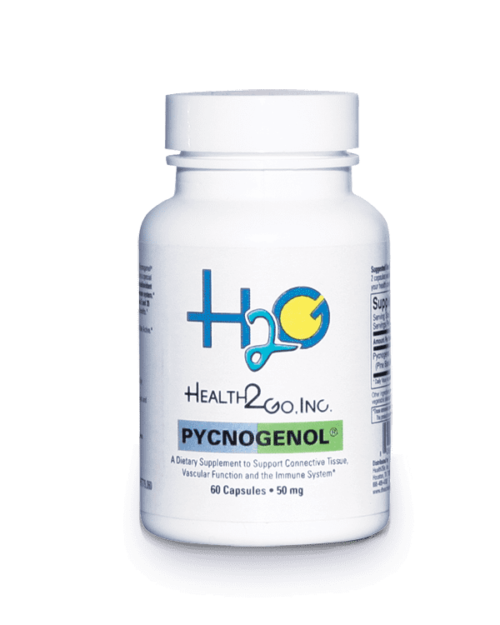
- Healt2Go Pycnogenol
A powerful proactive antioxidant
- Health2Go Vitamin D-3 Tablets
Improves cell function, bone formation and heart health

HEALTH2GO PRODUCTS
TWIST 25 DHEA PODCAST
What is DHEA? What does it do? Why men and women over 30 should use it as a daily absorbable skin cream instead of a pill. Listen and find out in our audio podcast!
THE TWIST 25 JOURNAL

DHEA The Big Picture
So if you’re like most people, you want to do your homework before you start using a new health supplement. You definitely should. Let’s look at all the pro’s and con’s. Consider all the facts. Consider the science. What do the medical research studies show? What are the benefits of DHEA and what are the […]

Fight Joint Pain and Arthritis with DHEA cream
Are you feeling the aches and pains of getting older? Do your knees, shoulders, or knuckles hurt? Explore this article for how DHEA and joint health work together. Let’s face it—we’re all getting older every day. Do you feel like you have to start out slow when you get up in the morning? I do. […]

How DHEA Boosts Sex Drive
Have you lost that loving feeling? After age 40, lots of folks start to lose interest in sex. After about age 50, men’s and women’s sex drive starts to diminish in importance. It’s just not a top priority anymore. Exploring options like DHEA for sex drive could offer some benefits. DHEA, a hormone that naturally […]
Care for Your Skin: DHEA’s Role in Skin Hydration and Sebum
There are many ways people try to rejuvenate their skin. The most common approach for years have been skin hydration supplements like creams or gels that are rubbed onto the skin surface, but simple natural biological basics rubbed in to the skin, absorbed into the skin is the best approach. The basic concept revolves around […]
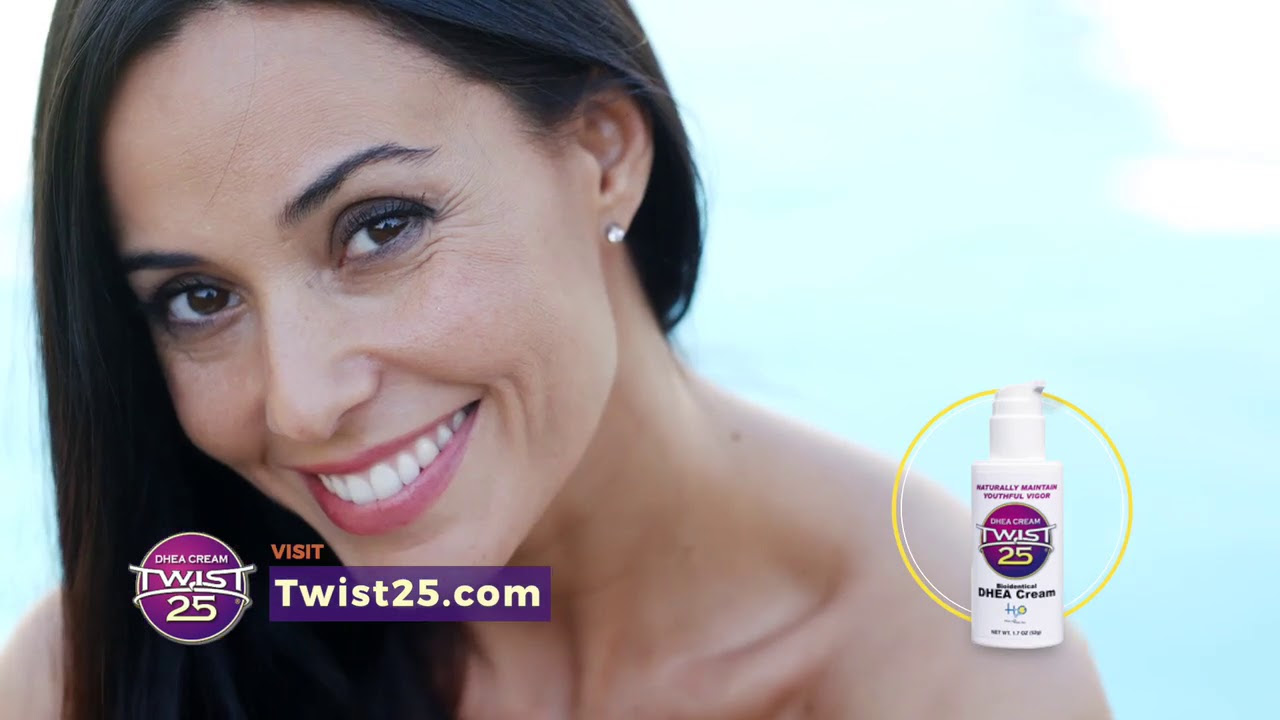
Rejuvenate Your Skin with DHEA the Right Way: Enhancing Collagen
Medical research shows how dehydroepiandrosterone (DHEA) plays a pivotal role in enhancing collagen synthesis and metabolism, thereby driving skin health and vitality. DHEA cream is emerging as an effective strategy to improve collagen in the skin. “You never get a second chance to make a first impression.” This timeless adage underscores the significance of youthful, […]

DHEA and Seasonal Affective Disorder: Solutions to the Winter Blues
Seasonal depression, also known as seasonal affective disorder (SAD) or the winter blues, tends to worsen in the colder winter months. Shorter days offer less available sunlight, and temperatures drop, exacerbating making unpleasant to go outside. This is particularly relevant when considering the science behind SAD. In this article, we discuss how DHEA, sun light, […]

The Long-Term Potential of DHEA Cream
If you are past age 35, male or female, you should be using a DHEA supplement cream daily to improve your overall physiologic and psychological health. It’s a proven advantage to help you feel your best and look your best, and has no dangerous side effects. Twist 25 DHEA cream is the right way to […]

Boost Testosterone Naturally and Improve Men’s Health With DHEA
The gift of life. So basic. So fundamental. How to enjoy life each day while maintaining physical health and mental health. Men want to live long and stay strong. Eat a healthy diet. Drink plenty of water. Exercise. Sleep. Maintain your hormones. One of the best ways to support hormone health naturally is to maintain […]

DHEA for Stress: Avoid Chronic Health Issues
DHEA for stress becomes a key factor when we realize the health impacts of stress. We know “stress” is bad for health. When we’re young, challenges in life seem easy to deal with. But day after day, year after year, the stressed life just keeps throwing more challenges at us. When we’re young, challenges in […]
TWIST 25 DHEA CREAM BY HEALTH2GO
Feel and look 25 again with top-quality pharmaceutical grade bioidentical DHEA skin cream! DHEA is a crucial hormone precursor for testosterone and estrogen production. As we age our body produces declining levels of DHEA, and therefore less of 50 hormones in the body including the male or female sex hormones. DHEA counterbalances cortisol. Luckily, Twist 25 DHEA cream by Health2Go can help!